GENGHIS KHAN STATUE & GOBI DESERT TOUR

GENGHIS KHAN STATUE & GOBI DESERT TOUR

$1380/Person
GENGHIS KHAN STATUE & GOBI DESERT TOUR
Duration 5 DAYS
Category
Travel season June-September
Tour highlight

Khongoryn Els also called Duut Mankhan is popularly known as the “Singing Sands”. It lies within the Gobi Gurvansaikhan National Park in Mongolia. The sand dunes extend to over 965 square kilometres (373 sq mi) area. … but the Khongoryn Els, in the extreme south of the Gobi Desert, has a huge range of sand dunes …


Itinerary
Day 1: Tour to Genghis Khan Statue and Baga Gazariin Chuluu
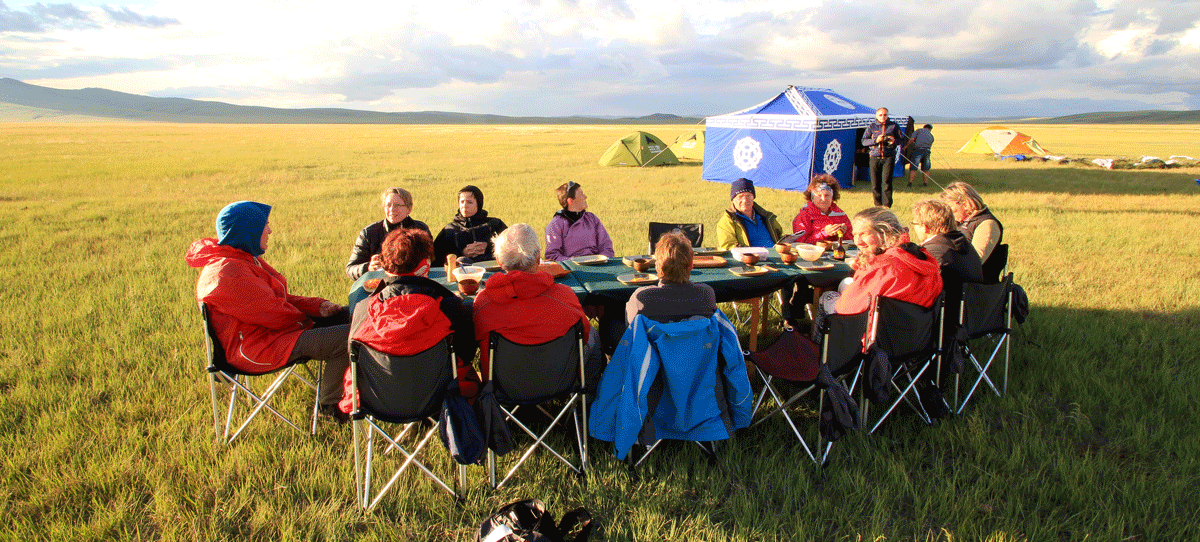
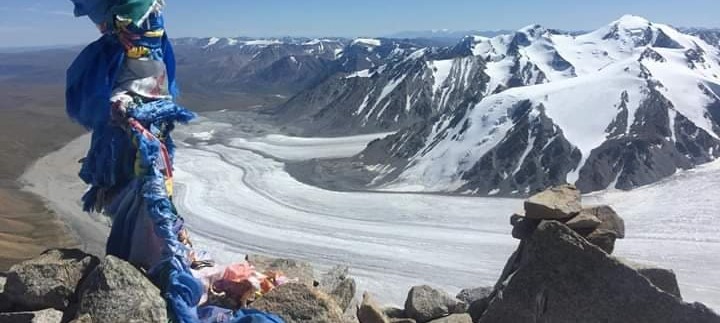
Meet at your accommodation between 7:50 and 8:30 AM and start the tour to Genghis Khan Statue. This 40 m tall statue was built in a historical place and is the tallest equestrian statue in the world. See the Tuul River Valley and Genghis Khan’s birthland Khan Khentii Mountains on the observation deck. Continue the journey to Baga Gazariin Chuluu, a zone of granite stone mountains; the highest peak is 1700 m above sea level. It has been keeping some historical remains, such as the ruins of a monastery, ancient tombs, and rock inscriptions. Challenge your imagination by seeing the unique features of the granite formations in Baga Gazariin Chuluu, discover the old monastery ruins, and enjoy the emptiness and calmness of the Gobi Desert.


Day 2 Yol ValleY
Day 2 Yol ValleY

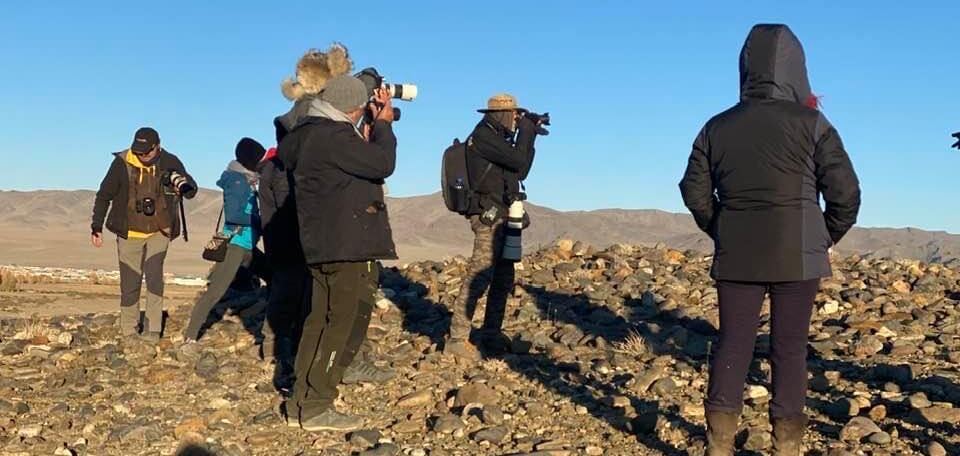
Yolyn Am also known as “Eagle Valley” It is located in Gurvan Saikhan National park, Umnugobi province. So you can discover enormous cliffs and narrows and a glacier that doesn’t melt until the end of the June. Adorable chipmunks of the family Sciuridae and other wild animals exist here. Enjoy small hiking and photographing the charming landscape and wildlife. Also visit Gobi museum.

Day 3 Day 4: Khongor Sand Dunes, camel riding

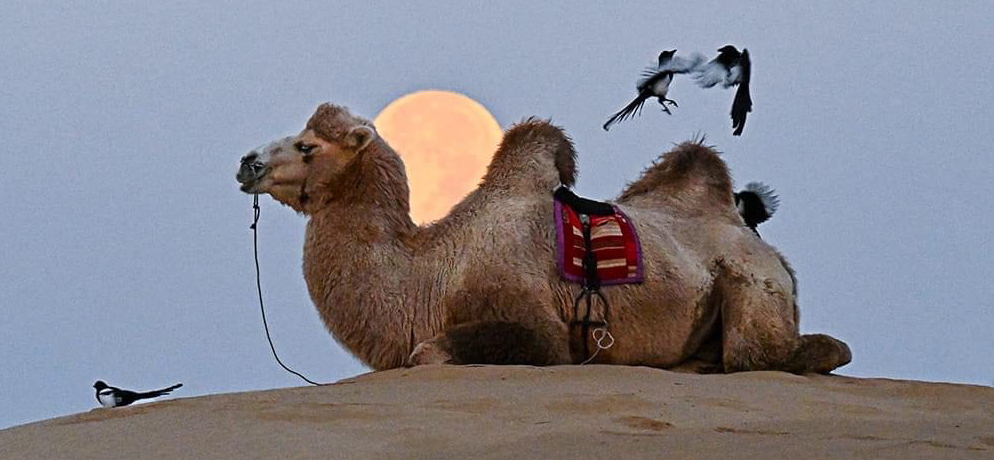
Khongoriin Els Sand Dunes Our trip will continue driving to Khongoriin Els We drive to the Hongor sand dunes. Khongoryn Els also known as the “Singing Dunes”. Because the interaction between wind and sand, the sound can be either heard when the sand gets blown away by the wind. Or when you slide down on the surface. These are Mongolia’s largest sand dunes, also reaching height of 300 meters in some areas. Although it could be a little challenging to get to the top of the Dunes, the breathtaking scenery and a vast landscape are always worth it. Experience the endangered two-humped Bactrian camels. Also big open blue skies in the Gobi Desert Mongolia. Dune journey, camel riding and trekking. Enjoy Gobi desert Tour. Explore Gobi Desert Mongolia with us.

Day 4 Flaming Cliffs

Today we will drive to Bayanzag Bayanzag (The Flaming Cliffs) is famous for its historical events, dinosaur fossils and the very first discovery of the Dinosaur eggs. Roy Chapman Andrews, an American explorer who is known for his leading a series of expeditions named this site “Flaming Cliffs” as the colors turn more inevitably red especially at a sunset. It is illegal to remove or move the dinosaur fossils from its first place if you found one.

Day 5 Tsagaan Suvarga


Today’s destination is White Stupa. Cliffs and extraordinary forms of rocks with a height of 30-60m are the only remaining of the sea that existed millions of years ago. It’s 90 degree of straight, consists of many colors of clay deposits. It looks like an ancient city. And sometimes looks like white stupas from a distance. The unusual forms of cliffs can also look like a massive waterfall after heavy rains. Enjoy hiking around colorful Stupa, feeling like meditation in there.
Day 6: Drive to Ongi Monastery on the open steppes

Drive first through slate mountains and next on 80 km Ongi steppes leading to Ongi Monastery, one of the biggest seven monasteries in Mongolia. There were two separate monasteries consisting of more than 30 temples on the shores of the Ongi River surrounded by the Gobi mountains; however, the temples were destroyed during the socialist purge of the 1930s. Now the ruins of the monasteries cover a huge area. Visit a new active temple, a ger museum, explore the monastery ruins and climb a nearby mountain to have panoramic views of the surrounding areas.


Day 7: Kharkhorin, ancient Monastery Erdenezuu

This day’s tour takes place in the transition zone from the Gobi desert to the mountain steppes. Kharkhorin, formerly known as Kharakhorum, was once a capital of Chinggis Khaan's Great Mongol Empire in the 13th century. After the move of the Mongolian capital to Beijing, and the fall of the Empire, Karakorum was abandoned and then destroyed by Manchurian soldiers in 1388. Today, in the vast valley of the Orkhon River, the awe-inspiring ancient monastery Erdenezuu coexists with Kharkhorin town. See some valuable religious artifacts in the monastery museum, view its stunning architecture and the Kharakhorum Museum display remnants of the ancient city.

Day 8: Visit nomads, horse riding and return to Ulaanbaatar

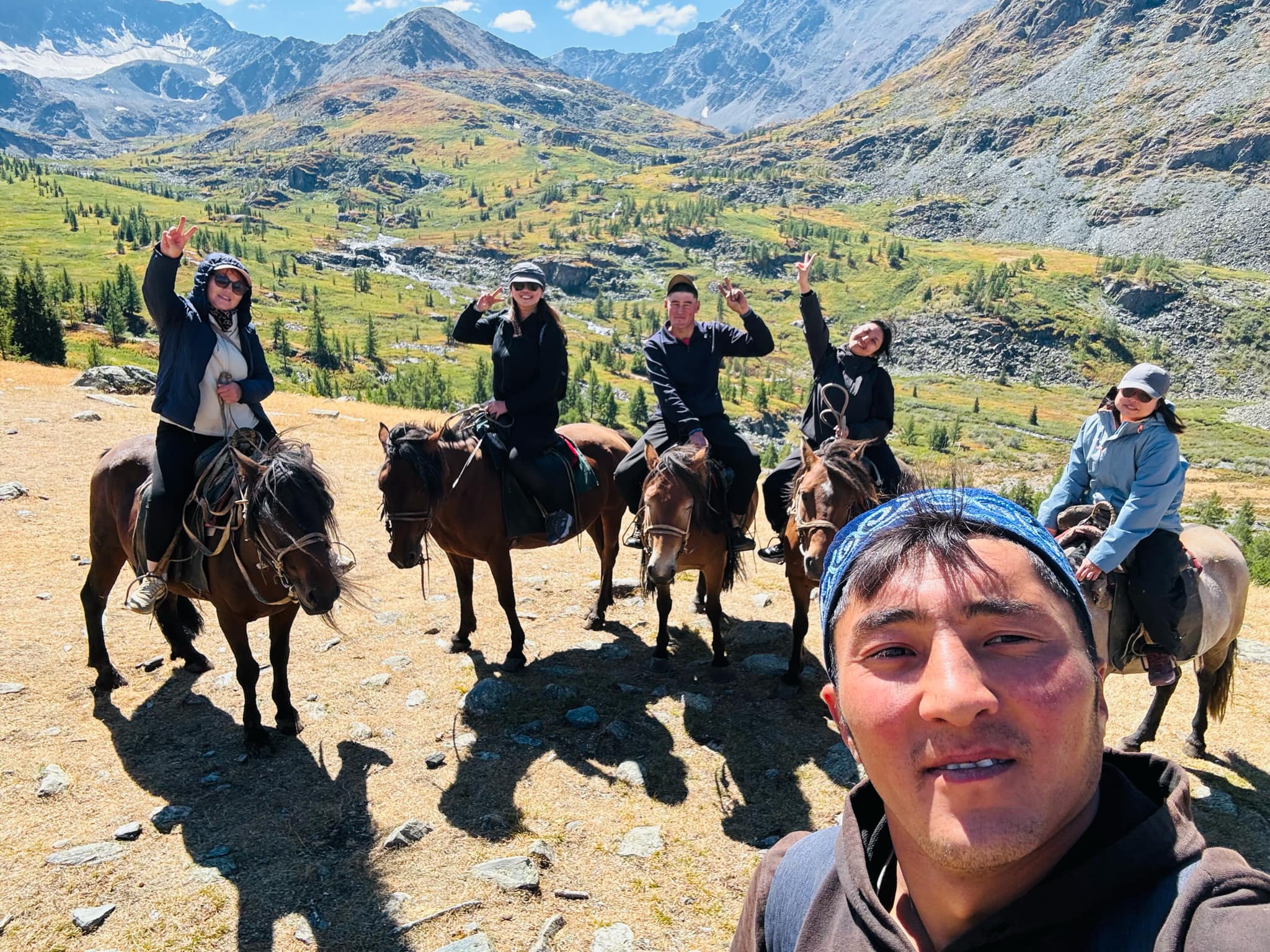
Today is the last day to spend in the beautiful countryside of Mongolia. On our way to Ulaanbaatar, we will visit a horse herding nomad family and have some horse riding. We also join the nomads for lunch. Arrive in Ulaanbaatar

Tour price includes/ Tour price excludes

Tour Price includes

  • 123
  • 111

Tour price excludes

  • 111
  • 222