CLIMB KHUITEN PEAK IN MONGOLIA
Tour highlight
Overview
Join us as we climb to Mongolia's highest point, Mount Khuiten, which is one of the snow-capped “Five Holy” peaks of the Altai Mountains located in western Mongolia. Mount Khuiten stands at 4,374 meters above sea level, making it one of the highest peaks of the entire Altai Mountain range where four countries of Mongolia, Kazakhstan, China, and Russia converge
Discover Kazakh Nomads team provides the best-planned mountaineering tour, which involves climbing Mount Khuiten and encountering nomadic people such as Tuvans and Kazakhs.
You will be supported by master-degree local mountain guides who are highly experienced and constantly available to assist you. You will be accompanied by an English-speaking tour leader, expedition chef, professional drivers, camel herders, and porters.
Tour Info
The best climbing season runs from June to September, so now is the time to book your vacation!
Mount Khuiten is ideal for intermediate climbers, while there are still some steep areas. Some areas of the summit have become ice-covered in recent years as a result of warming. The easiest summit to reach is Nairamdal, which requires primarily trekking. Once on top of the Khuiten, you may take in the stunning "Triple Point" vistas of China, Mongolia, and Russia.
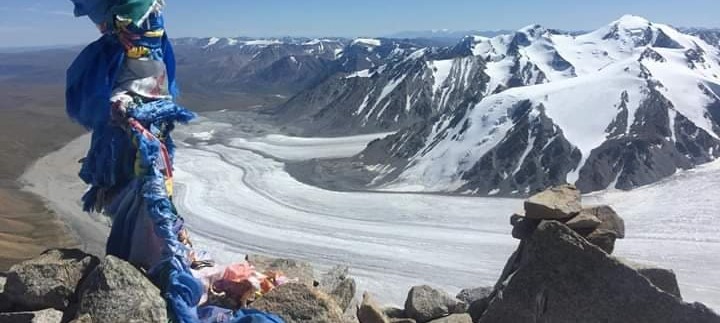
We will cross the Potanin glacier between the base camp and the high camp, and we will rope up halfway through because there are several crevasses on the route that can reach up to 200 meters deep. There are porter guys in part of BC-ABC-BC that will help us with our camping and cooking equipment. Also, we are always available to take care of your bags.
Important Gear
Double boots – or equivalent boots for 4500 meters.
Harness
Sleeping bag – for about -15C/ 5F
Ice axe
Backpack – mountaineering backpack 70L, and another daypack for trekking.
Crampons – make sure that they work with your boots
Carabiners – locking carabiners x2.
Helmet
Glasses for snow – ( goggles ), sunglasses.
Sunscreen – maximum SPF, lip screen.
Basic first aid kit,
Headlamp,
Water bottle,
Trekking poles with snow baskets.
Buff
Optional gear includes gaiters, ascendance, slings, a rappel device, personal goods, snacks, chemical hand warmers, cameras, and books.
Features
- Free Download Instagram Logo
- Illustrator from Instagram Logo 9 Vectors svg vector collection
- Vectors SVG vector illustration graphic art design format.
- Following vectors are from the same pack as this vector also
- Instagram Logo SVG Vector is a part of Social Websites
Itinerary
Day 1 Fly to Bayan-Ulgii and drive to the campsite.
Day 1 Fly to Bayan-Ulgii and drive to the campsite.
Take a flight to Ulgii, the capital of Bayan-Ulgii province in westernmost Mongolia. This is the country’s most elevated province. Bayan-Ulgii is Mongolia’s only Muslim and Kazakh-majority province. Kazakhs are the country’s largest ethnic minority group; their mother-tongue is the Kazakh language and they have maintained their unique culture. At the airport, you will be greeted by your English-speaking guide, along with your driver, and expedition cook. Today we will head to theTavan Bogd(Five Holy) National Park, named after the five peaks of the Mongolian Altai Mountains. We will drive for about 90 km to arrive at tonight’s campsite.
Day 2 Hike to the Tavan Bogd base camp
Day 2 Hike to the Tavan Bogd base camp
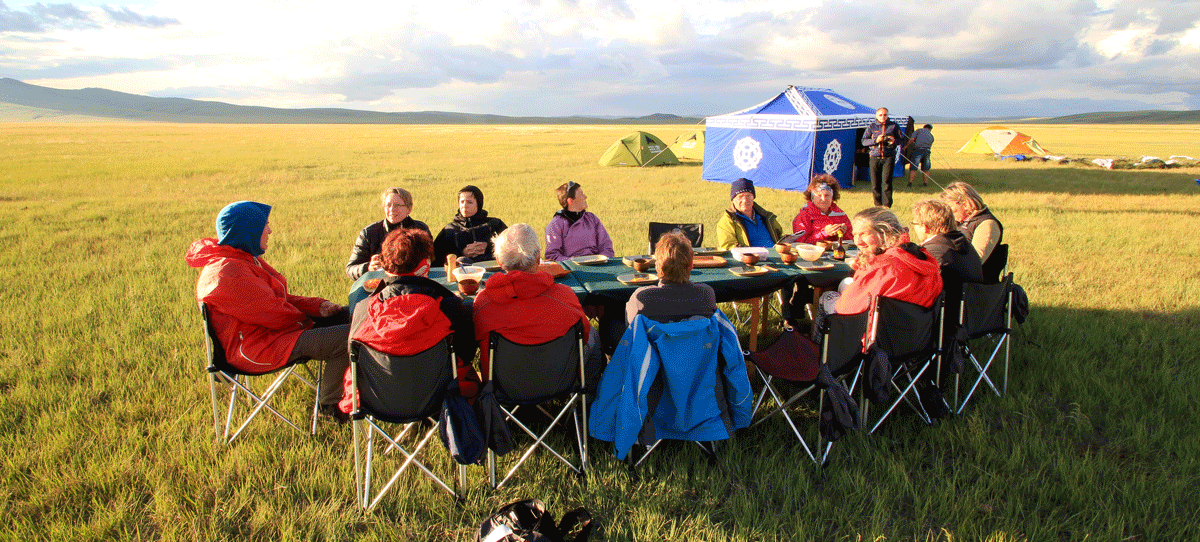
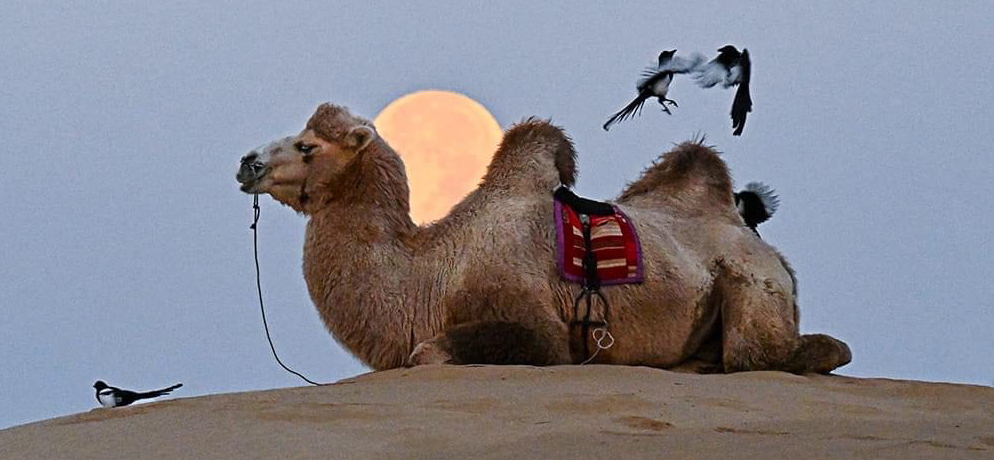
Today, the total hiking distance is about 18 km to the Tavan Bogd basecamp. Our luggage will be transported by camels, handled by the local Tuvan people - who are friendly and helpful. On the way, you can see the massive Potanin and Alexander Glaciers. The Potanin Glacier is the longest glacier in Mongolia, stretching for about 14 km. The basecamp is at an elevation of around 3,000 m ASL. Total hiking time is about 6 to 8 hours.
Day 3 Acclimatization Day
Day 3 Acclimatization Day
After breakfast we will start gently walking for about an hour and then start climbing to Malchin Peak (4050 m), which is on the Mongolian side of the Mongolian-Russian border. Malchin Peak is the lowest of the Holy Five Peaks. It takes about 6 to 7 hours to climb to the top of Malchin. This climb is non-technical and mostly on rocky ground. From the top, you get a great view of the Potanin Glacier and the surrounding landscape. Afterwards, we can make our way back to base camp and relax.
Day 4–7: Mount Khuiten Ascent
Day 4–7: Mount Khuiten Ascent
When it comes to climbing a high mountain, the weather conditions of the climbing days are crucial. For this reason, we plan our climbing days with an additional day. From basecamp, we will ascend to our upper-camp located at around 3,500 m ASL. The next morning, weather permitting, we will set about summiting. If the weather is unstable, as in strong winds and heavy snow or rain, we will wait it out in our tents until the next day.
We will cross the Potanin Glacier on our way to Khuiten Peak. Straddling the Mongolian-Chinese border, Khuiten Peak is Mongolia’s highest point. Blanketed in snow all year-round,Khuiten, meaning “cold”, surely lives up to its name. There are multiple big crevasse crossings before reaching the summit. On a clear day from the summit, you can see into Russia and China.
Day 8 Hike to the Oigor River Valley
Day 8 Hike to the Oigor River Valley
Today, our Tuvan friends will accompany us with their camels carrying our luggage as we hike to the Oigor River Valley. There are two gates of the Altai Tavan Bogd National Park. One of them is located at the Oigor River, where we will camp tonight. Our drivers will rendezvous with us here. Only Kazakhs live on this side. We can visit a Kazakh family this evening and get a glimpse into their way of life.
Day 9 Drive to Khurgan and Khoton lakes
Day 9 Drive to Khurgan and Khoton lakes
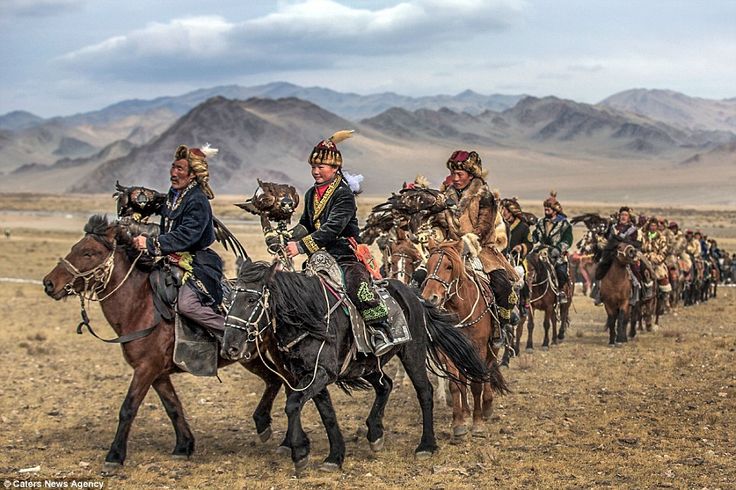
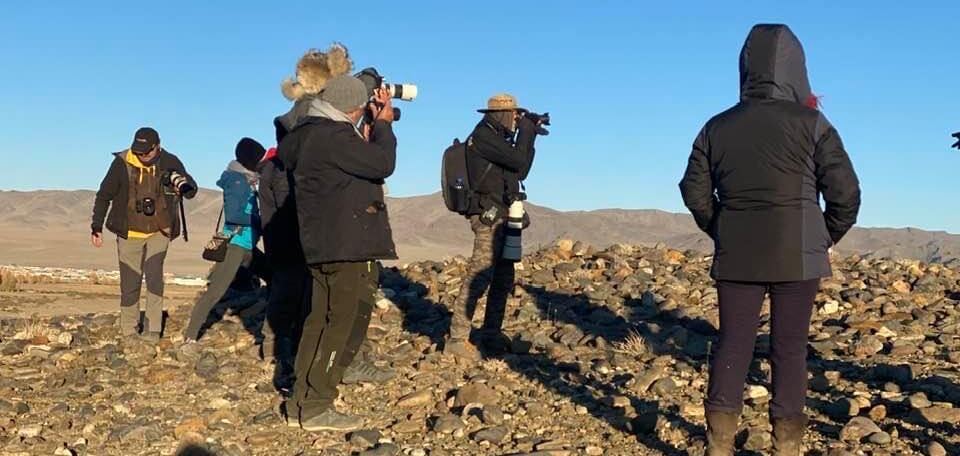
Khurgan-Khoton Lake is located in an intermontane tectonic depression in the northern portion of the Mongolian Altai. Its Surface area is 50.1 km2; the average depth is 26.6 m; the maximum depth is approximately 58 m. Khoton nuur has one Iceland which is covered by woods. The system of Khoton Nuur and Khurgan Nuur lakes, connected by a wide channel, is the source of the Hovd River which drains the whole Mongolian Altai. Lake Khoton Nuur was formed by glacial blockages. Khurgan nuur is the lowest point of Altai Tavan Bogd National park. Some fishes are in lake Khoton and lake Khurgan nuur. You will meet Eagle Hunter and get chance to hold Eagles and shoot nice pictures. Overnight stay with Eagle Hunter’s family and explore nomads life.
Day 10 Drive back to Ulgii
Day 10 Drive back to Ulgii
We take a 7 hour drive back to Ulgii. Tonight is your chance to sleep in a Guest Ger House. (/B,L,D)
Day 11 Return flight to Ulaanbaatar
Day 11 Return flight to Ulaanbaatar
This morning we catch a return flight to Ulaanbaatar. ( B)
Tour price includes/ Tour price excludes
Accommodation All Museum Tickets Horse Guide Meals National Park Permits and Fees Personal Guide Sightseeing Transportation/Car

 +976 99420752
 English
 France
 Germany
 Italy
Italy 한국어
한국어 Монгол